

Destination Guide · Mexico
Mayan Riviera: Cancún
to Tulum.
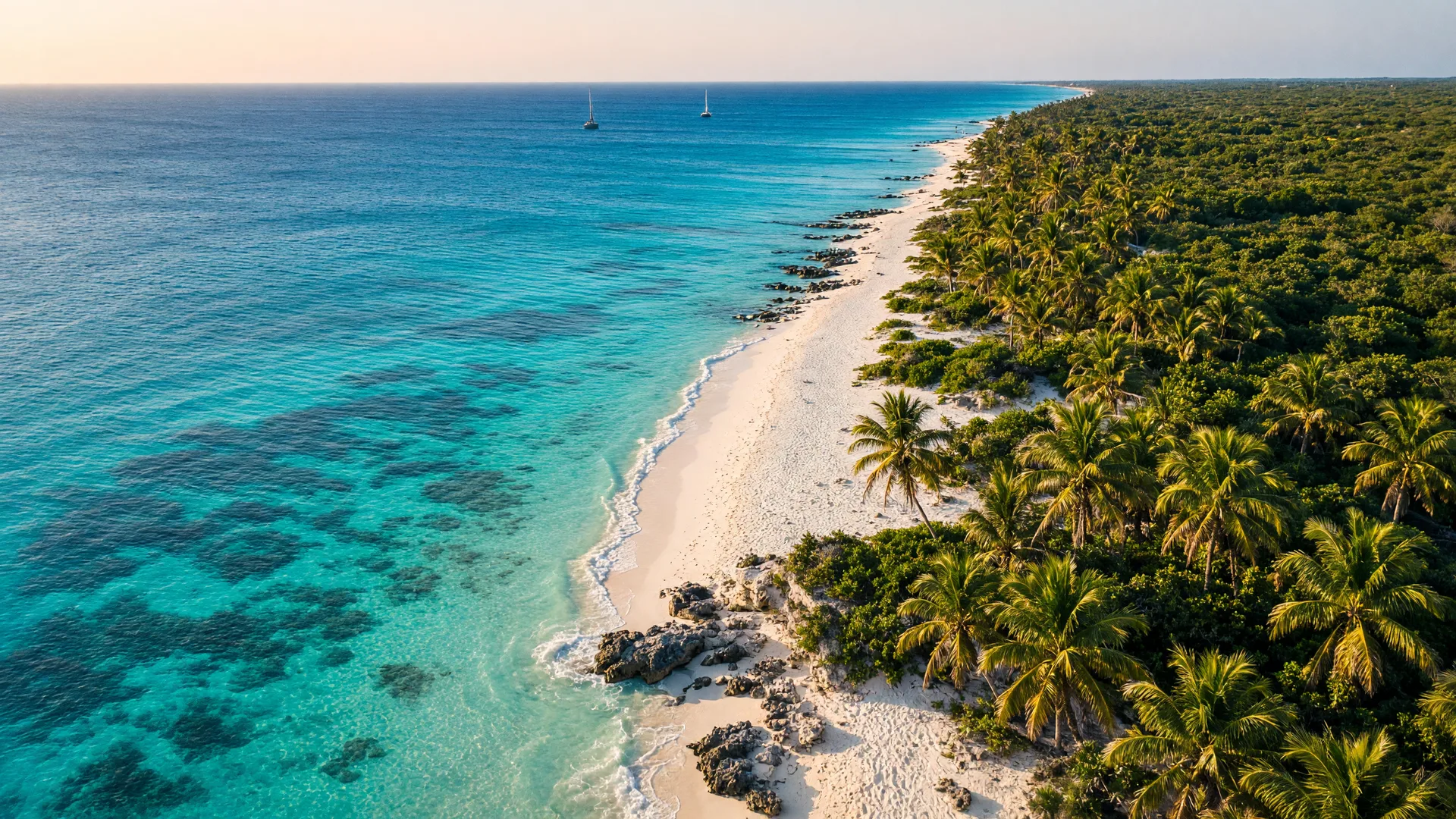
The coast the Maya built on.
The Mayan Riviera is the Caribbean coast of Mexico's Yucatán Peninsula, a ribbon of white-sand beaches and turquoise water that runs from Cancún in the north down to Tulum in the south. Behind the beaches lie low jungle, freshwater cenotes, and centuries of Mayan history, which makes it one of the few coastlines in the world where a resort morning and an ancient-city afternoon share the same day. It is also one of the easiest places to reach by cruise ship: Cozumel and Costa Maya sit on its doorstop, and both are served by every major line.
Below is the Riviera Maya I would build any Mexico trip around: the six highlights that pull most travelers here, the coast from Cancún to Tulum, the cruise ports at Cozumel and Costa Maya, the classic day trips into the jungle, and when to go for the calmest seas and the brightest sun. I will tell you exactly where to go and what to pack, so your only job is choosing which beach to claim first.
The places that pull you south
Six highlights, from Cancún to Tulum.
Most Riviera Maya itineraries orbit the same six places, and for good reason. You can meet them from a beach lounger, a cruise ship, or the back of a day-trip van, and each one earns its spot on any shortlist, however much time you have.
Cancún, the white-sand capital
The city at the top of the coast owns the strip of beach most people picture first: a long curve of hotels above powder-white sand and water in five shades of blue. It is the main gateway for flights and cruises, and the easy place to begin, a resort morning that slides straight into a jungle afternoon.
Playa del Carmen, a beach town with a heartbeat
Halfway down the coast, Playa del Carmen strings its beach beside Quinta Avenida, a pedestrian street of cafés, mezcal bars, and small shops that comes alive after dark. The ferry to Cozumel leaves from the town pier, and the vibe here is younger and looser than Cancún's.
Tulum, ruins on a cliff above the sea
The only major Mayan city built on the coast, Tulum puts its stone temples on a cliff that drops straight into the turquoise Caribbean. The ruins are compact and walkable, the views are the best on the coast, and the beach below is the color you came for.
Chichén Itzá, a day trip into deep time
A couple of hours inland, Chichén Itzá was one of the great cities of the Mayan world, and its stepped pyramid El Castillo is the image that anchors a whole region. It is a long day and a short flight of imagination, and the drive through the jungle is half the story.
Cenotes, the jungle’s hidden swimming holes
The Yucatán is a limestone shelf, and where it hollows out, underground rivers open to the sky in clear, cool pools called cenotes. Ik Kil and Dos Ojos are the famous names, and a midday swim in one of them is the coldest, clearest hour of any Mexican holiday.
Xcaret and Xel-Há, eco-parks built around nature
Two large nature parks run on this stretch of coast like a living museum of the Yucatán. Xcaret weaves underground rivers, wildlife, and Mayan culture shows into one day, while Xel-Há is a natural aquarium you can snorkel from a lazy river to a lagoon.
The color of the water around the Riviera Maya is not something you photograph. It is something you carry home.
Penner Cruise & Travel
Cancún, Playa del Carmen, Tulum & the cenotes
The coast that made the Yucatán famous.
No account of the Riviera Maya is complete without the stretch of coast that made it famous: a resort strip, a beach town, a clifftop ruin, and a jungle swimming hole. These are the stops I go back to, camera or no.
01
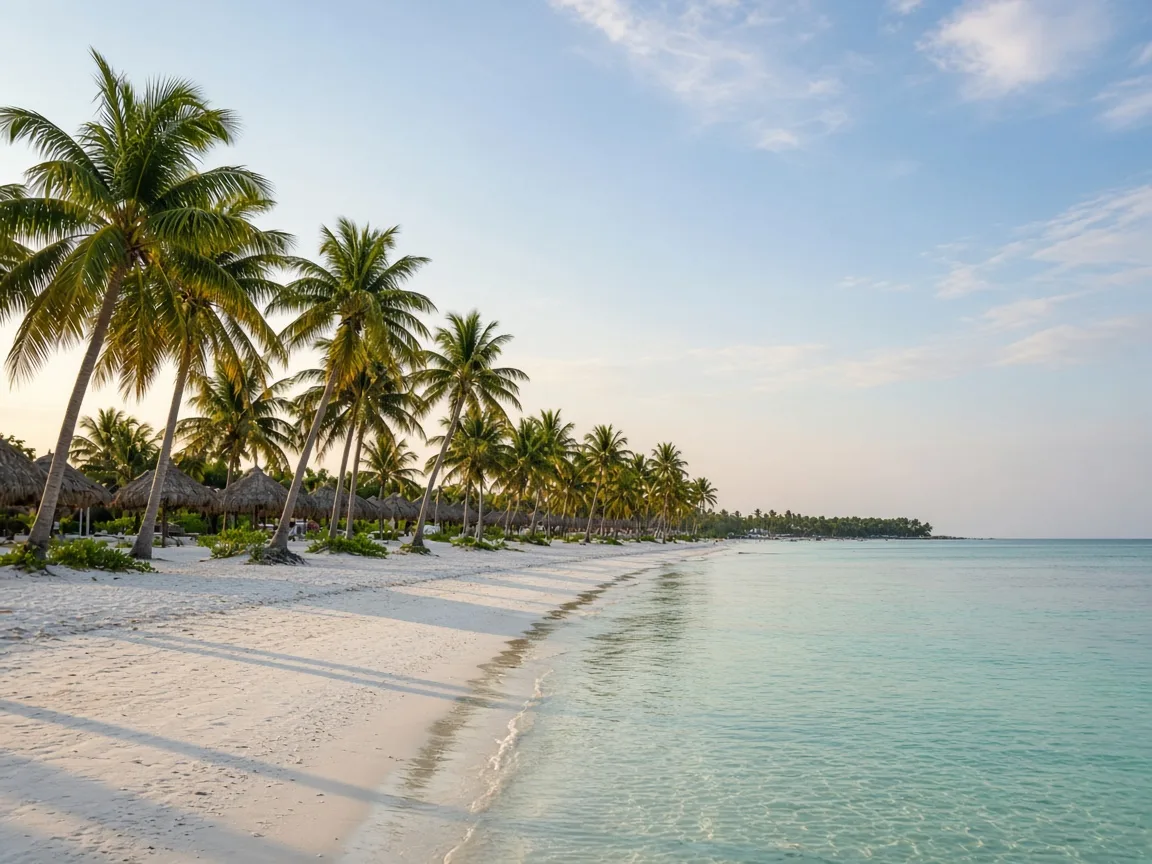
Cancún, where the coast begins
Most trips start here for a simple reason: the beach really is that color. The hotel strip runs along a thin sandbar where the lagoon meets the sea, and the water steps from pale aqua at the shore to deep blue a hundred yards out. Claim a palapa early, swim until your fingers prune, and let the empty stretch of sand do the rest.
02
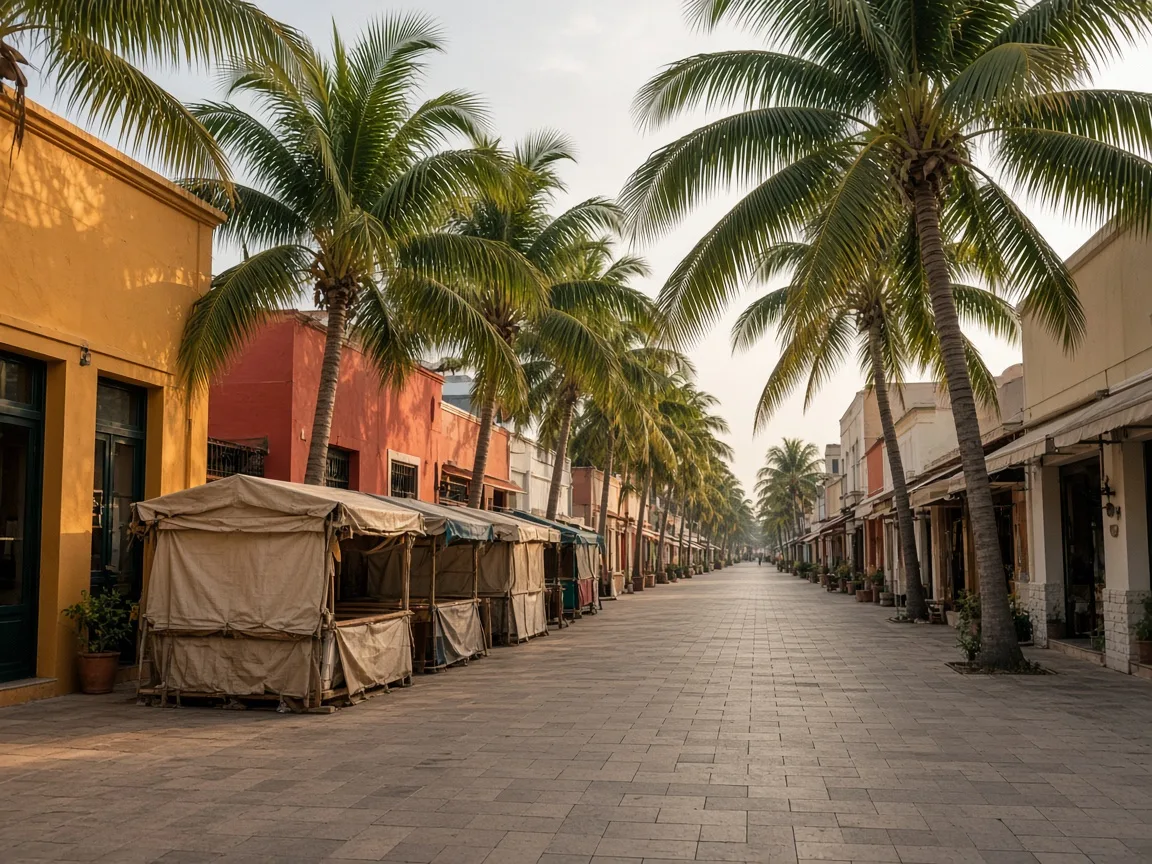
Playa del Carmen and Quinta Avenida
Forty minutes south, Playa del Carmen trades skyline for sidewalk. Quinta Avenida is the spine of the town, a pedestrian street that runs a dozen blocks beside the beach, and in the evenings it fills with the sound of live music and the smell of grilled food. Grab a taco, wander to the end, and the ferry dock for Cozumel is right there.
03
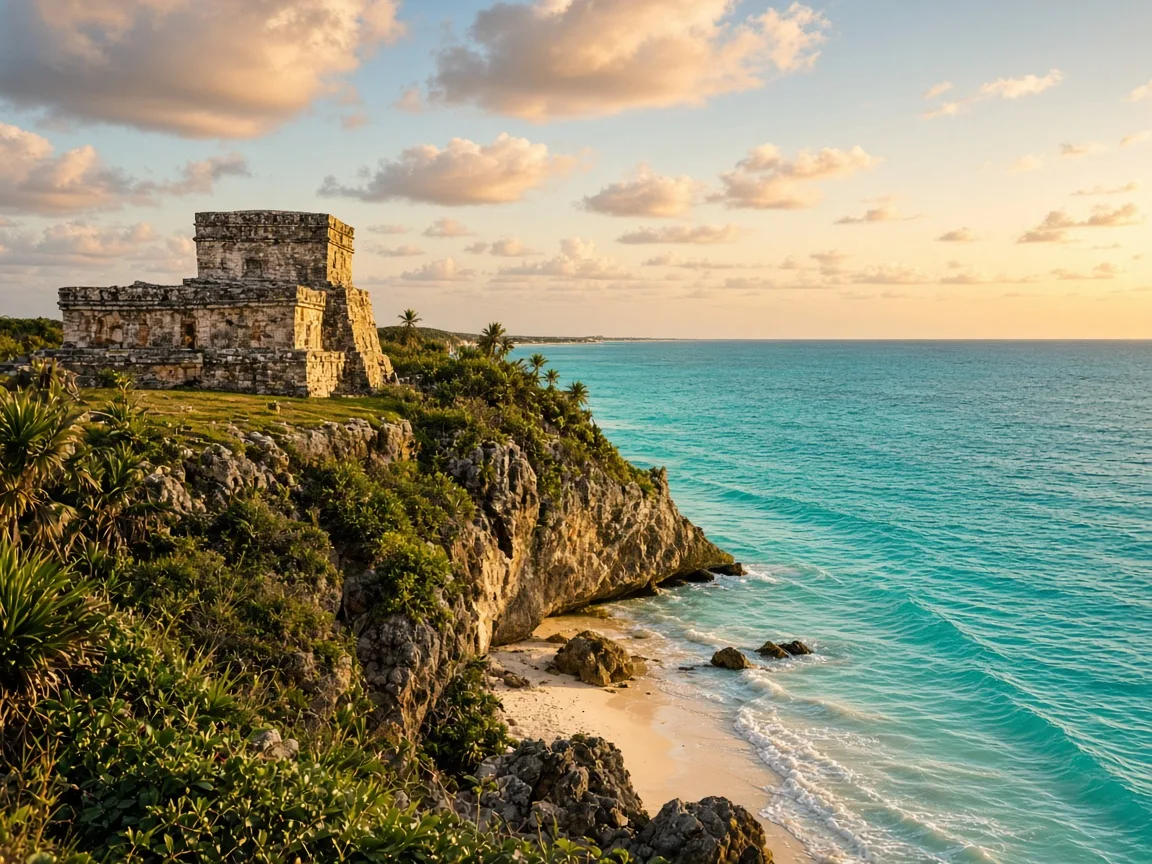
Tulum, the clifftop city
The ruins at Tulum sit where the jungle meets a cliff above the sea, and the Maya could not have picked a more photogenic address. El Castillo, the watchtower temple, frames the water perfectly, and the beach below the bluff is public, soft, and startlingly blue. Come early, when the light is low and the site is quiet.
04
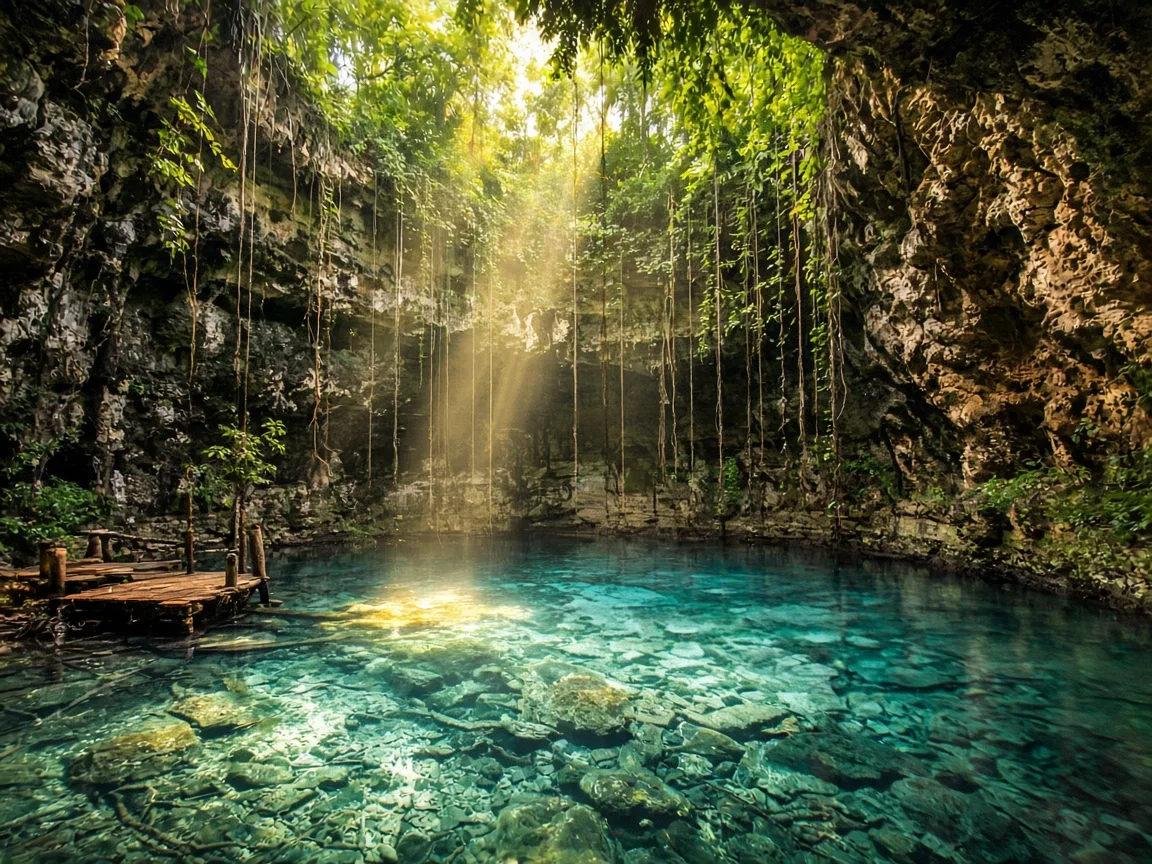
A cenote, the jungle’s cool heart
After a hot morning, a cenote is the answer the Yucatán built. These limestone sinkholes hold groundwater that stays a cool, perfect temperature all year, and sunbeams drill down through the canopy to light the floor. Float on your back in one and the jungle noise fades to dripping water and birdsong.
Cozumel & Costa Maya
Two ports, two very different days.
The Riviera Maya was made for cruises, and its two main ports could not be more different. Ships call at Cozumel, an island with beaches and reef on every side, and at Costa Maya, a quieter gateway to the ruins and lagoons of southern Quintana Roo. Each makes a superb port day, and both anchor almost every Western Caribbean itinerary.
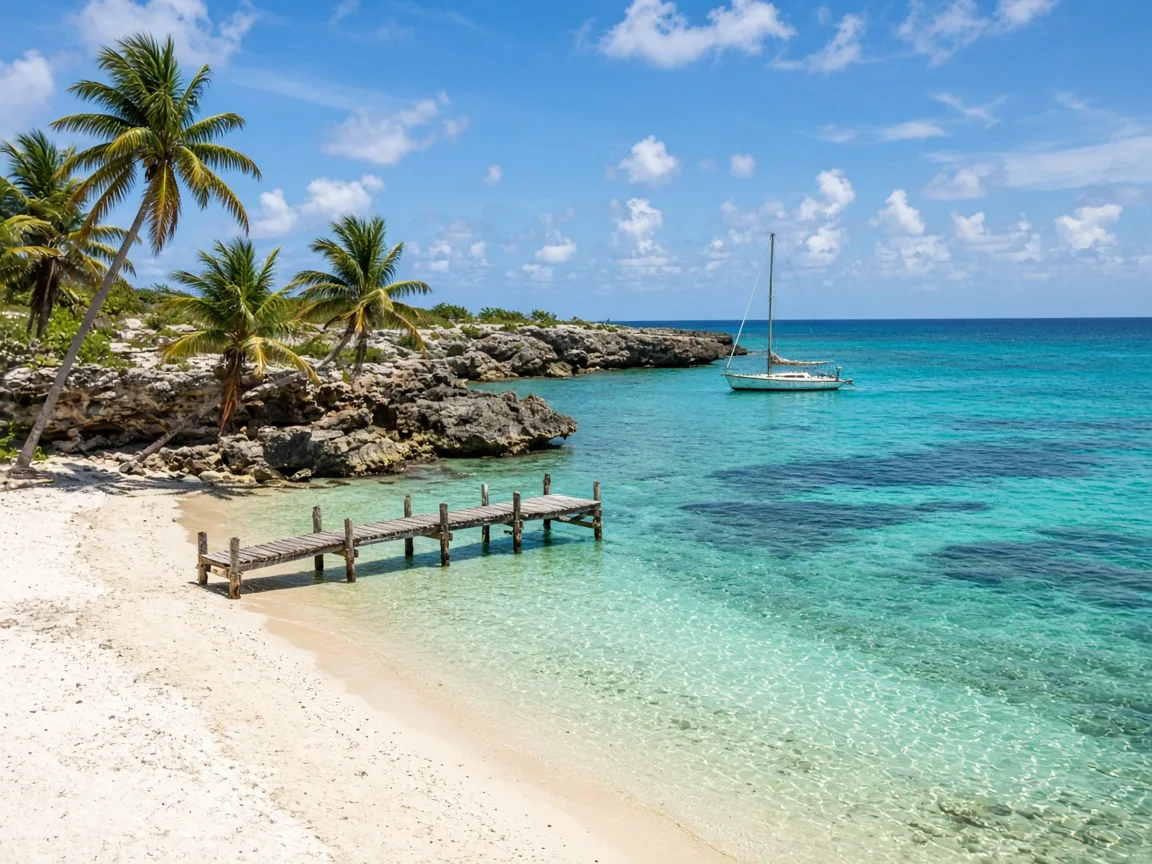
Cozumel, the island port
Cozumel is the Riviera Maya's biggest cruise port, an island of beaches, reef, and one easy ferry to Playa del Carmen. Snorkel or dive the Palancar Reef, part of the second-largest barrier reef system in the world, rent a beach club for the day, or take the ferry across and spend the afternoon on Quinta Avenida.
Costa Maya and Mahahual, the quiet gateway
The village of Mahahual anchors the port the cruise lines call Costa Maya, on the coast near the border with Belize. It is a quieter, beachier port day: white sand, calm water, and a short drive inland to the ruins of Chacchoben, a jungle site with unrestored pyramids, or onward to the lagoons of the Bacalar region.
Plan your port days with us
Both ports are served by all the major cruise lines, and both are easy to plan well. Tell us your sailing and we will match the ship, the shore days, and the excursions to how you like to travel, at no cost: which beach, which cenote, which afternoon on the ferry. That is the whole job, and we love doing it.
Ruins, cenotes & eco-parks
A day inland, back by dinner.
The beaches are the headline, but the reason the Yucatán resonates is inland. From the Riviera Maya you can reach some of the most famous places in Mexico in a single day, and be back at your hotel in time for dinner.
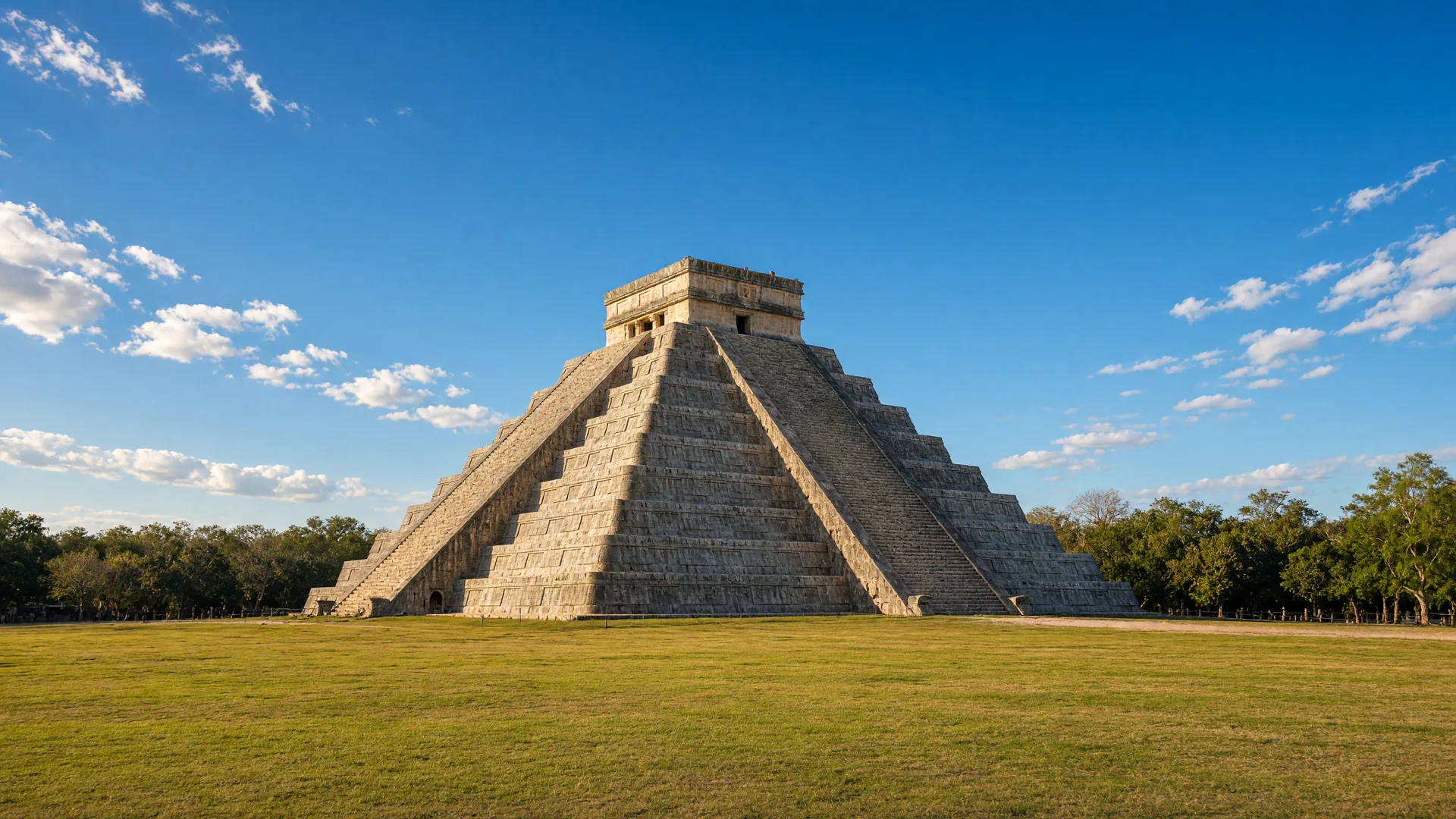
Chichén Itzá, the great day trip
From Cancún or Playa del Carmen, Chichén Itzá is about two hours inland, and most visitors add a cenote swim on the way back, which turns a long drive into two real destinations. Start early, hire a guide at the gate, and let the plaza explain itself: the pyramid is a calendar, the ball court is enormous, and the whole site hums with history.
Cenote Ik Kil, the classic cool-down
Ik Kil sits minutes from Chichén Itzá, a great open cenote with vines falling from the rim to water that is impossibly clear. Swim a loop, look up at the circle of sky, and understand why the Maya treated these pools as sacred. Snorkelers and divers in the area also rave about Dos Ojos, a cave-cenote system with light-beam water.
Xcaret and Xel-Há, a day built by nature
Eco-parks shorten the list of things to fit in one holiday. Xcaret gives you underground rivers to swim, wildlife, a butterfly pavilion, and an evening show of Mayan culture, while neighboring Xel-Há is a natural inlet you can snorkel, float, and jump into all day. Either one delivers a full day of the Yucatán in one ticket.
Eating the Yucatán
The food alone is worth the trip. Cochinita pibil, pork slow-roasted in banana leaf with achiote and citrus, is the region's signature, and it shows up in tacos and tortas everywhere. Add fresh ceviche at a beach club, al pastor from a street cart, and a bottle of agua fresca, and the coast tastes as good as it looks.
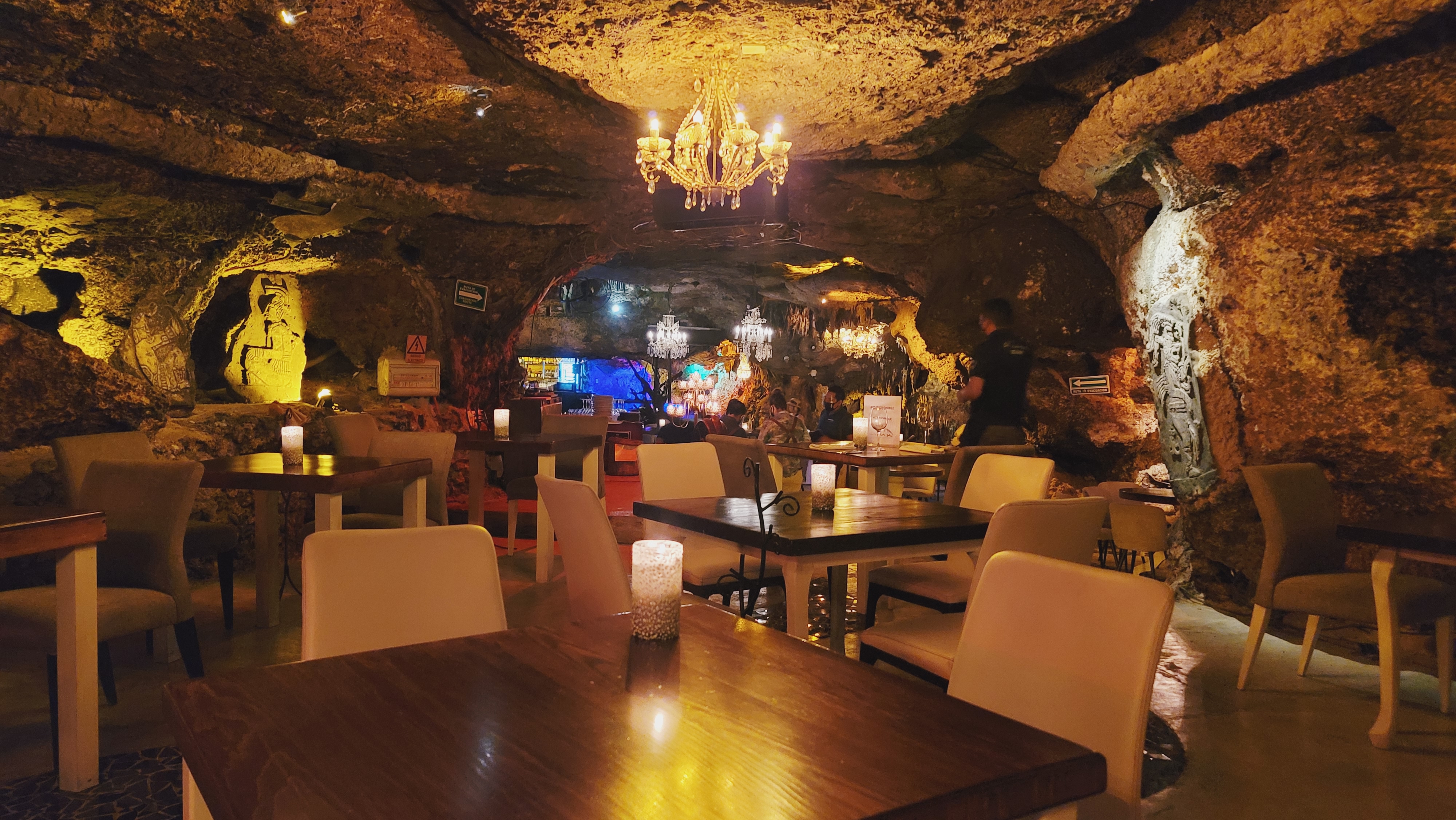
Alux Restaurant & Bar
In Playa del Carmen, Alux is dinner inside a natural limestone cave: candlelight on the rock walls, contemporary Mexican cuisine on the table, and an atmosphere you will not find anywhere else on the coast. It is a personal favorite of the Penner team, and the reservation we would book before the flights.
Timing your trip
When is the best time to visit the Mayan Riviera?
The Riviera Maya gives you two versions of the same coast, depending on the season. Neither is the wrong answer, so choose by the show you want: perfect beach weather, or greener jungle and lighter crowds.
Dry season: November through April
The classic window: warm, sunny days, low humidity, and calm Caribbean seas, with evenings cool enough for a light shirt. It is also the high season, so beaches and ports are livelier and prices sit at their peak. If you want the brightest blues, plan for the dry season, and book early.
The wetter months: May through October
Rain usually arrives as a short afternoon shower that rinses the heat and clears fast, leaving the jungle greener and the beaches emptier. Prices drop, cruise fares soften, and mornings are still brilliant. Just plan mornings outside and keep a small umbrella in the day bag, and you get the same water at a quieter pace.
Practical tips
The details that make the trip easy.
Pesos at the ports, dollars almost everywhere
Mexico's currency is the peso, and while US dollars are accepted widely around ports, resorts, and tours, you get the better rate paying in pesos. Use a card where you can, change a little money at the start, and keep small notes for market stalls and tipping.
Spanish and English, both spoken widely
Resort towns and ports are fully bilingual, and menus, signs, and tour guides switch languages without blinking. A few Spanish words, buenos días and gracias, go a long way and are always warmly received. Away from the coast, the phrasebook earns its place in the bag.
Respect the sun, and the reef
The tropical sun is steady and strong: wear SPF 50, reapply, and treat midday as shade time. When you swim or snorkel, use reef-safe sunscreen, which keeps oxybenzone and octinoxate out of the water that feeds the reef. The reef keeps the coast alive, and the coast is why you came.
Somewhere between the ruins and the reef, the Yucatán stops being a destination and starts feeling like the point of traveling at all.
Penner Cruise & Travel
Ready for the Mayan Riviera?
It is one of the destinations we plan best: Western Caribbean cruises that call at Cozumel and Costa Maya, resort stays on the coast, and day trips to Chichén Itzá, Xcaret, and the cenotes, all matched to how you like to travel. Tell us your dates and a Destination Engineer will build the trip around you, and we will point you to the current Mexico offers, Mexican Riviera and Caribbean sailings included.